NDEO’s Guest Blog Series features posts written by our members about their experiences in the fields of dance and dance education. We continue this series with a post by Alexandra Beller, Artistic Director, Alexandra Beller/Dances. Guest posts reflect the experiences, opinions, and viewpoints of the author and are printed here with their permission. NDEO does not endorse any business, product, or service mentioned in guest blog posts. If you are interested in learning more about the guest blogger program or submitting an article for consideration, please click here.
Art and Healing
I work at the intersection of art and healing, and I have long been unsettled by the way those two words sit next to each other. When someone says “art and healing,” there is often an implied diminishment. I hear, “Oh. So not real art. Therapy art. Self-indulgent art.”
I reject that assumption.
Some of the greatest art in the world is profoundly healing. It locates us. It confronts us. It allows us to metabolize grief, rage, longing, terror, joy. It changes us, connects us, and repairs the divides of fractured realities.
And yet I understand how the suspicion arose.
We use the word art to describe almost any act of personal expression. I believe everyone should dance, sing, draw, and write. I believe expression is a human necessity: vital, healthy, and often therapeutic.
But expression is not art.
This is not a hierarchy of value, but a distinction of function. Expression can be private or shared. It may ask for validation, or nothing at all.
Art asks for something more demanding. It is not only the release of interior life, but the shaping of that experience with another in mind. It does not simply say, “Here I am.” It asks, “Can we meet here?” It is constructed with relationship at its core. When I use the word art, I mean a particular kind of communication—one that rigorously constructs an experience where empathy travels in both directions.
This is where healing reenters the conversation. Healing, in art, is not self-soothing. It is not the unfiltered discharge of emotion. In art, healing occurs in the meeting, when something in my world and something in yours overlap, even briefly, and we recognize each other. Art offers an opportunity to experience true belonging.
The root of art, for me, is to know and be known. The formations are radically unique; art may manifest as play, resistance, fantasy, or disruption. It may use vocabularies, rhythms, and structures as varied as the makers, but it always crafts a world in order for the audience to recognize it.
No one can fully inhabit our interior world. This aloneness, for some, breeds loneliness. Expression allows us to feel and know ourselves, and sometimes to allow others to understand us better. Art does something more complex. It attempts to bridge that aloneness.
When I seek an audience, I have to ask why. Do I want to be seen or do I want to meet? There is nothing wrong with wanting to be watched. Having witnesses is a sounding board for self-awareness and can be incredibly validating. But when the primary aim is validation without reciprocity, I experience that as expression, not art. Art considers the other. It anticipates their presence. It shapes itself in relation. It does not ask merely to be observed; it asks to be engaged. When the audience gasps, melts, or sits in rapt attention, our separate realities briefly overlap. These moments aren’t just entertainment. They heal, locate, repair, and ground us.
I wonder if we have diluted the power of healing in art because we have blurred this distinction. When self-expression is messy, uneven, or self-focused—as it often and rightly is—the word art absorbs those qualities. Healing becomes suspect, and depth sentimentalized. I don’t want to diminish expression. I want to free it.
If we allowed expression to be expression—necessary, therapeutic, communal, private—without the burden of being called art, perhaps more people would feel invited to participate. And then we could reclaim art as a rigorous, relational act—one that includes healing as a consequence of meeting. For me, this distinction matters. Not to exclude, but to clarify responsibility.
Expression says, “This is inside me.”
Art says, “Can we hold this together?”
Expression helps us endure our aloneness.
Art tests whether that aloneness is absolute.
And when—even for a moment—it is not, something in us is found.
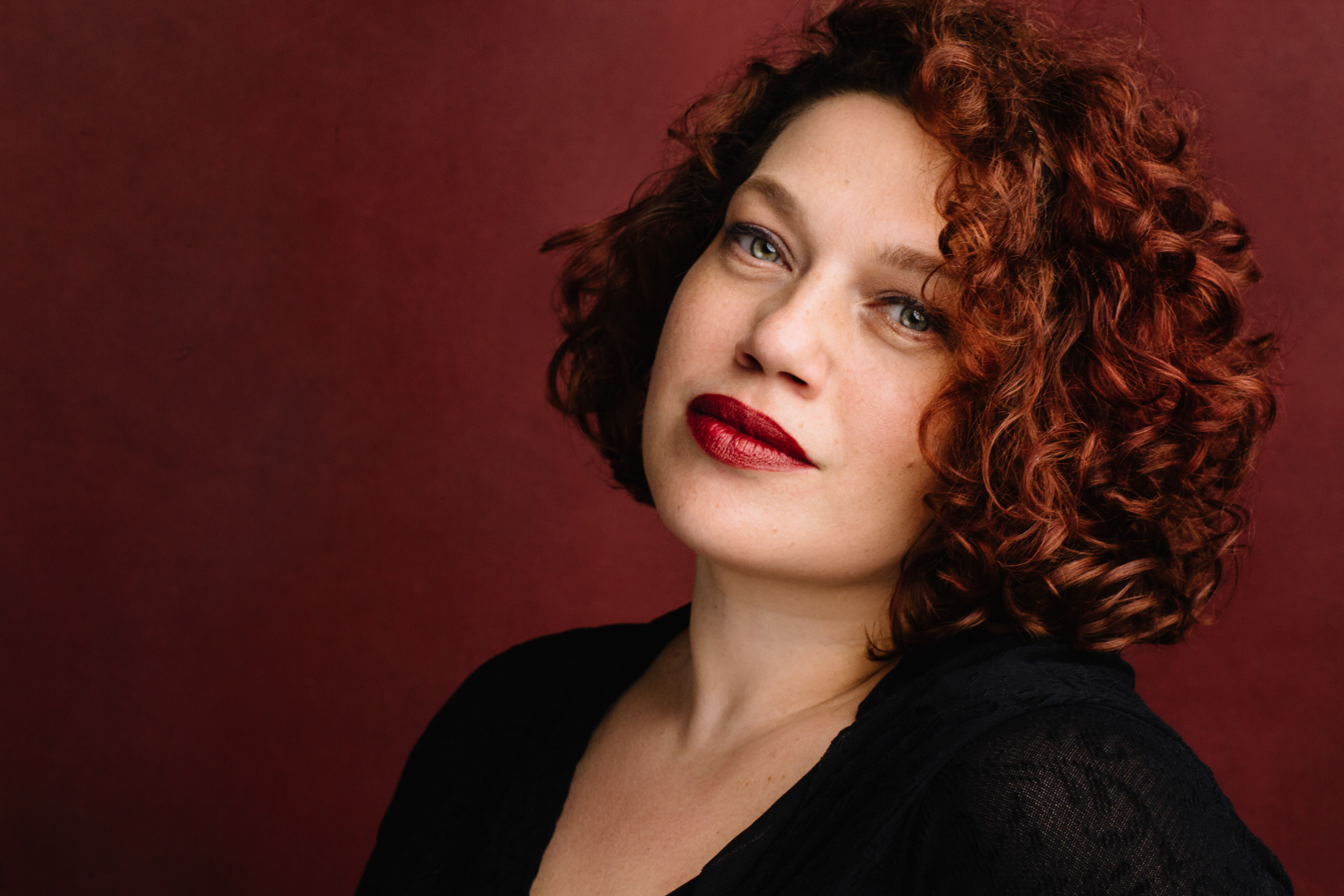
Alexandra Beller (MFA, CMA), Artistic Director of Alexandra Beller/Dances (2002-present) was a Bill T. Jones/Arnie Zane Dance Company member from 1995-2001. Alexandra created 60+ Dance Theatre works in Korea, Hong Kong, Oslo, Cyprus, and the US. University work includes Barnard, SUNY Purchase, Rutgers, Princeton, UCSB, U of MI (Ann Arbor), and The New School. Theater Credits: Off Broadway: Sense and Sensibility (Folger Shakespeare, A.R.T., Portland Center Stage), (Helen Hayes Award, Lortel Nomination), The Mad Ones, How to transcend a happy marriage (Lincoln Center Theatre), Regional: Two Gentlemen of Verona and As You Like It (Hudson Valley Shakespeare Festival, Folger Shakespeare), The Young Ladies of… (Taylor Mac), Antonio’s Song (Milwaukee Rep, Goodman), Fandango for Butterflies (and Coyotes) (La MaMa, La Jolla), Directing: Macbeth (Theater Row), A Midsummer Night’s Dream (92Y). She taught at Princeton 2015-2022 and is on faculty at the Laban Institute for Movement Studies. She also teaches at HB Studios, Gibney Dance Center. She choreographs and teaches internationally. She wrote two books: The Embodied Conductor: A Somatic Approach to Conducting with Laban and Bartenieff (Meredith Music), and The Anatomy of Art: Unlocking the Creative Process for Theater and Dance (Bloomsbury).
-------------------------------------------------------------
About NDEO’s Dance Education Blog
The “Dance Education” blog is brought to you by The National Dance Education Organization (NDEO), a thriving non-profit membership organization that supports YOU as a dance educator! NDEO works with and for dance educators of all backgrounds and in every setting and genre. We work for equitable and accessible dance education for all through advocacy, research, and support for the dance educators who are making a difference for their students. As a membership organization, we rely on dance educators like YOU to join us in this important work! When you become a member of NDEO, you align yourself with our vision of dance education for all. We invite you to become a part of our vibrant community that offers support, resources, advocacy, and research you need to make a difference for yourself and make an impact on our field. Now more than ever, we need to come together to celebrate and share the dynamic, affirming, community-building, transformative power of dance. Join the movement - become a member of NDEO today
Photo credits: Featured photo and dance image by Judith Stuart, American flag photo by Carl Skutch, headshot by GingerB3ardmen